

Chapter 4 – Strategic Planning – Long-term Goals
The NGSP outlines NOAA’s four long-term goals related to the agency’s core mission functions for weather forecasting, fisheries management, habitat restoration, and marine transportation.
CLIMATE ADAPTATION AND MITIGATION
An informed society anticipating and responding to climate and its impacts

Projected future climate-related changes include increased global temperatures, melting sea ice and glaciers, rising sea levels, increased frequency of extreme precipitation events, acidification of the oceans, modifications of growing seasons, changes in storm frequency and intensity, air quality, alterations in species’ ranges and migration patterns, earlier snowmelt, increased drought, and altered river flow volumes. Impacts from these changes are regionally diverse, and affect numerous sectors related to water, energy, transportation, forestry, tourism, fisheries, agriculture, and human health. A changing climate will alter the distribution of water resources and exacerbate human impacts on fisheries and marine ecosystems, which will result in such problems as overfishing, habitat destruction, pollution, changes in species distributions, and excess nutrients in coastal waters. Increased sea levels are expected to amplify the effects of other coastal hazards as ecosystem changes increase invasions of non-native species and decrease biodiversity. The direct impact of climate change on commerce, transportation, and the economy is evidenced by retreating sea ice in the Arctic, which allows the northward expansion of commercial fisheries and provides increased access for oil and gas development, commerce, and tourism.
Within this goal, NOAA will pursue four objectives over the next five years:
»Improved scientific understanding of the changing climate system and its impacts;
»Assessments of current and future states of the climate system that identify potential impacts and inform science, service, and stewardship decisions;
»Mitigation and adaptation choices supported by sustained, reliable, and timely climate services; and
»A climate-literate public that understands its vulnerabilities to a changing climate and makes informed decisions.
WEATHER-READY NATION
Society is prepared for and responds to weather-related events
A weather-ready nation is a society that is able to prepare for and respond to environmental events that affect safety, health, the environment, economy, and homeland security. Urbanization and a growing population increasingly put people and businesses at greater risk to the impacts of weather, water, and climate related hazards. NOAA’s capacity to provide relevant information can help create a society that is more adaptive to its environment; experiences fewer disruptions, dislocation, and injuries; and that operates a more efficient economy.
Over the long-term, climate change may increase the intensity and even the frequency of adverse weather events, which range from drought and floods, to wildfires, heat waves, storms, and hurricanes. Changing weather, water, and climate conditions affect the economic vitality of communities and commercial industries, including the energy, transportation, and agriculture sectors. Environmental information aligned with user needs will become ever more critical to the safety and wellbeing of those exposed to sudden or prolonged hazards and is essential to sustain competitive advantage, expand economic growth, and secure the Nation.

|

|

|
Within this goal, NOAA will pursue five objectives over the next five years:
»Reduced loss of life, property, and disruption from high-impact events;
»Improved freshwater resource management;
»Improved transportation efficiency and safety;
»Healthy people and communities due to improved air and water quality services; and
»A more productive and efficient economy through environmental information relevant to key sectors of the U.S. economy.
HEALTHY OCEANS
Marine fisheries, habitats, and biodiversity sustained within healthy and productive ecosystems
Ocean ecosystems provide many benefits to humans. They provide food and recreational opportunities, and they support economies. Yet the resources that our marine, coastal, and Great Lakes environments present to us are already stressed by human uses. Habitat changes have depleted fish and shellfish stocks, increased the number of species that are at-risk, and reduced biodiversity. Because humans are an integral part of the ecosystem, declines in ecosystem functioning and quality directly impact human health and well-being. As long-term environmental, climate, and population trends continue, global demands for seafood and energy, recreational use of aquatic environments, and other pressures on habitats and over-exploited species will increase as will concerns about the sustainability of ecosystems and safety of edible fish. Depleted fish stocks and declines in iconic species (such as killer whales, salmon, and sea turtles) result in lost opportunities for employment, economic growth, and recreation along the coasts. In addition, climate change impacts to the ocean, including sea level rise, acidification, and warming, will alter habitats and the relative abundance and distribution of species. Climate change poses serious risks to coastal and marine ecosystems productivity, which, in turn, affects recreational, economic, and conservation activities.

|

|

|
Within this goal, NOAA will pursue four objectives over the next five years:
»Improved understanding of ecosystems to inform resource management decisions;
»Recovered and healthy marine and coastal species;
»Healthy habitats that sustain resilient and thriving marine resources and communities; and
»Sustainable fisheries and safe seafood for healthy populations and vibrant communities.
RESILIENT COASTAL COMMUNITIES AND ECONOMIES
Coastal and Great Lakes communities that are environmentally and economically sustainable
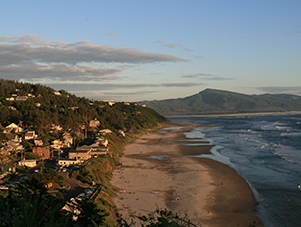
The complex interdependence of ecosystems and economies will grow with increasing uses of land, marine, and coastal resources, resulting in particularly heavy economic and environmental pressures on the Nation’s coastal communities. Continued growth in coastal populations, economic expansion, and global trade will further increase the need for safe and efficient maritime transportation. Similarly, the Nation’s profound need for conventional and alternative energy presents many economic opportunities, but will also result in greater competition for ocean space, challenging our ability to make informed decisions that balance conflicting demands as well as economic and environmental considerations. At the same time, the interdependence of ecosystems and economies makes coastal and Great Lakes communities increasingly vulnerable to chronic—and potentially catastrophic—impacts of natural and human-induced hazards, including climate change, oil spills, harmful algal blooms and pathogen outbreaks, and severe weather hazards.
|

|

|
Within this goal, NOAA will pursue five objectives over the next five years:
»Resilient coastal communities that can adapt to the impacts of hazards and climate change;
»Comprehensive ocean and coastal planning and management;
»Safe, efficient, and environmentally-sound marine transportation;
»Improved coastal water quality supporting human health and coastal ecosystem services; and
»Safe, environmentally-sound Arctic access and resource management.


